Keith David, the acclaimed voice and performance actor behind Admiral Steven Hackett in the Mass Effect trilogy, has quietly reignited fan debate by confirming ongoing discussions about reprising his role in future installments. While Hackett was never as polarizing as other characters like Khalisah al-Jilani or Conrad Verner, his symbolic status as a pillar of military authority in the Mass Effect universe makes any commentary from David significant—particularly when it touches on the return of more divisive figures.
But it's not Hackett David is indirectly addressing. It's characters like Verner—a bumbling, overzealous fanboy whose appearances were met with groans—that the conversation truly circles back to. When David recently commented on the “complexities of bringing back fan-divisive characters,” he didn’t name names. Yet his words landed like a grenade in the Mass Effect fanbase, forcing a long-overdue reckoning with how BioWare handles legacy personas.
Why Controversial Characters Matter in Franchise Revivals
Reviving a character in a beloved series is never just about nostalgia. It’s a narrative contract with the audience. Fans expect continuity, but also evolution. When that character is controversial—either poorly received, tonally off, or narratively jarring—their return becomes a minefield.
Consider Conrad Verner. Introduced in Mass Effect 1 as an awkward, fawning human who idolizes Commander Shepard, Verner reappears in both sequels, each time escalating in absurdity. By Mass Effect 3, he’s holding a child hostage to prove his courage. Many players found the arc unfunny, even disturbing. Yet from a storytelling standpoint, Verner represents the real-world phenomenon of fandom obsession—distorted, unchecked, and sometimes dangerous.
When actors comment on such characters’ returns, they’re not just discussing roles. They’re weighing in on tone, legacy, and what kind of message the franchise wants to send.
“You don’t just bring back a character because they existed,” David said in a recent interview with IGN. “You bring them back because they need to exist in this new chapter. Otherwise, you’re pandering—or worse, repeating a mistake.”
That line, while diplomatic, cuts deep. It suggests that even performers attached to the franchise are aware of past missteps.
The Tightrope of Fan Service vs. Narrative Integrity
BioWare has long walked a fine line between honoring fan favorites and maintaining story credibility. The return of characters like Wrex or Garrus was widely celebrated—organic, meaningful, and earned. But figures like Verner or even minor NPCs such as the C-Sec drunk in Mass Effect 1 fall into a gray zone.
Actor feedback becomes critical here. These performers inhabit these roles, understand their nuances, and often see blind spots in writing. Their hesitation—or outright resistance—can influence development.
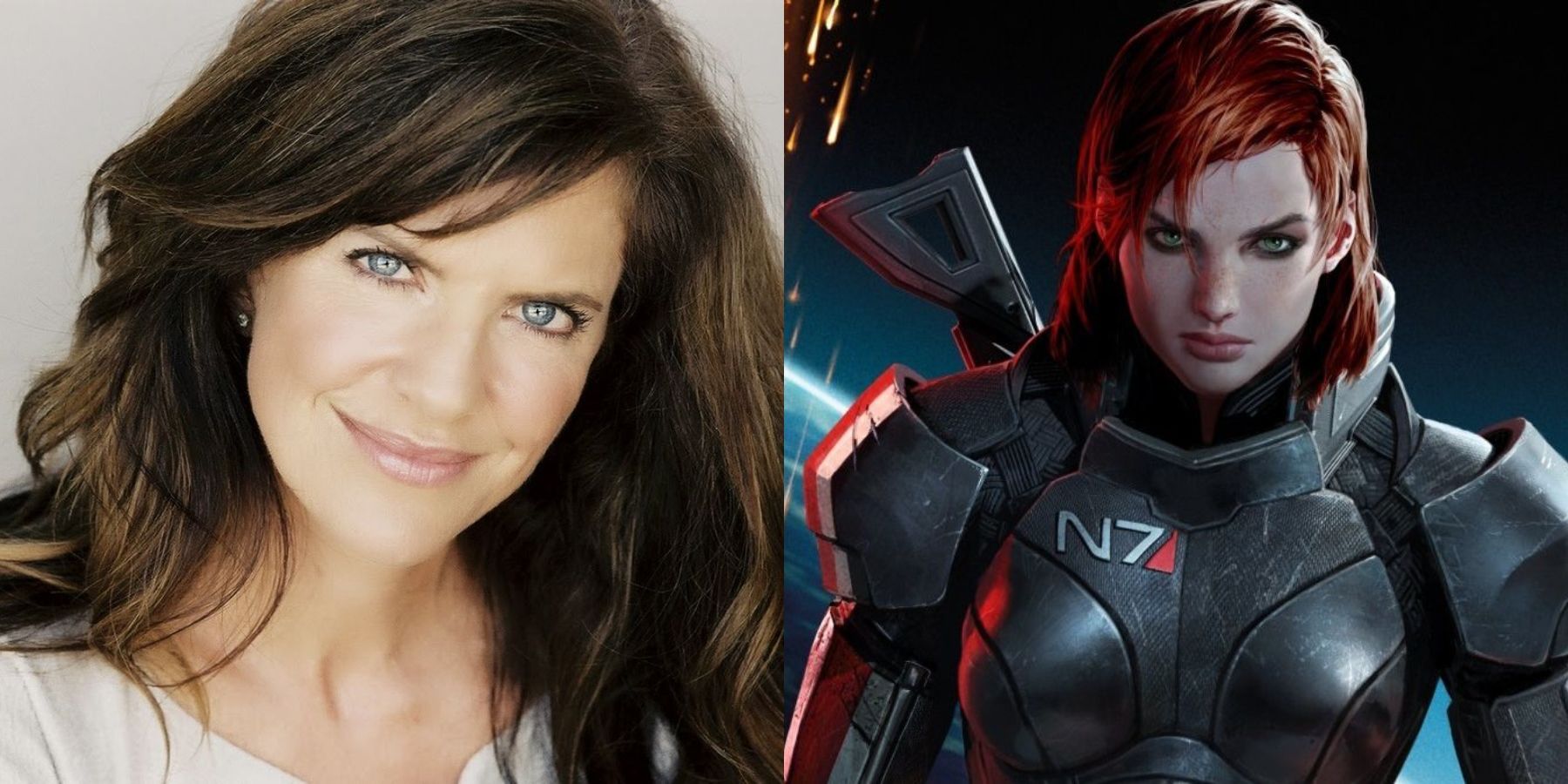
In 2023, voice actress Patricia Summersett, who portrayed Commander Shepard in Mass Effect: Andromeda (a role later recast), shared behind-the-scenes insights about character continuity. While not addressing Verner directly, she noted:
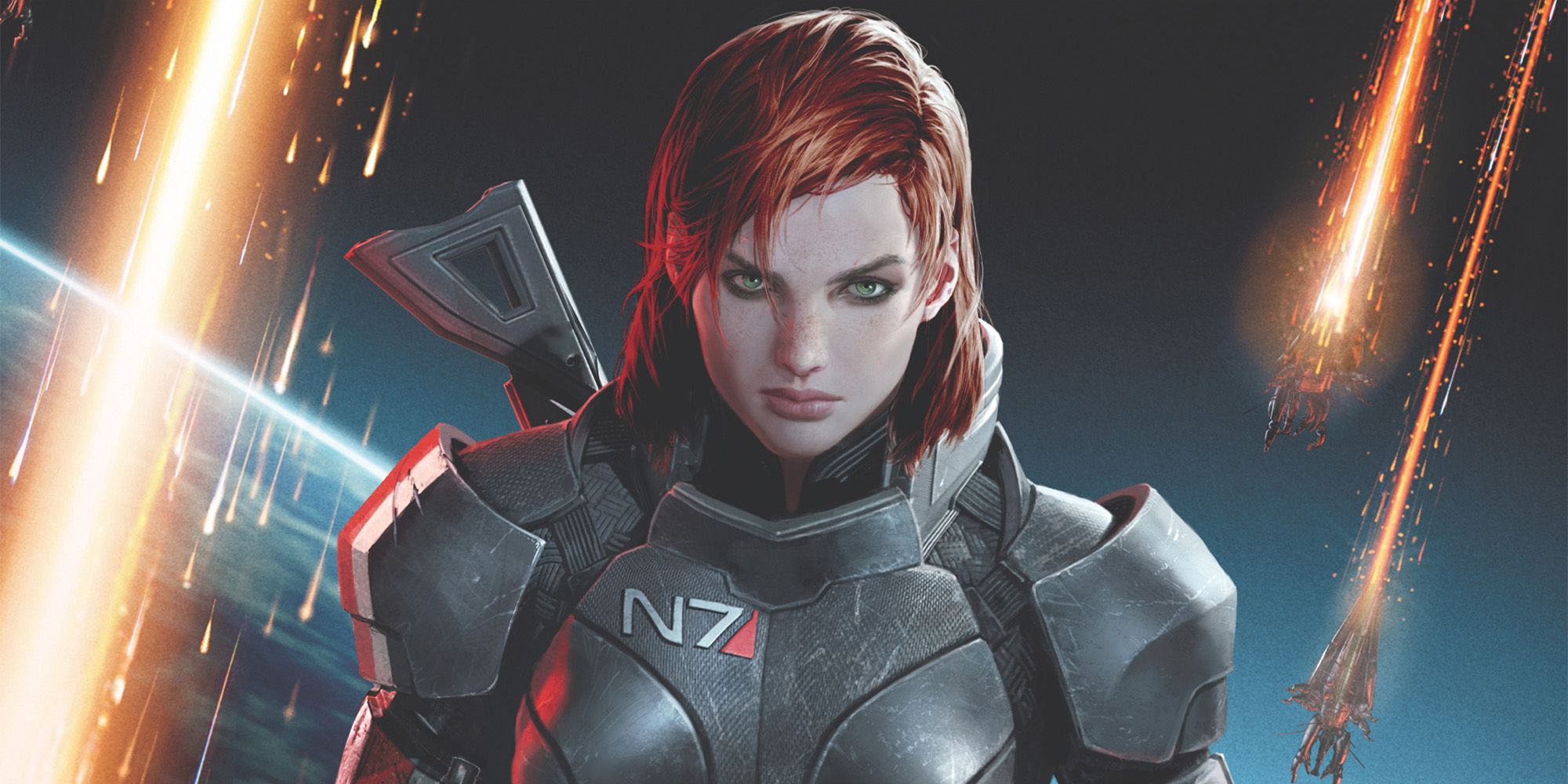
“Some characters feel… nostalgic in a way that doesn’t serve the story. As actors, we’re asked to believe in the moment. But if the audience doesn’t believe, the scene collapses.”
That sentiment echoes across returning roles. If an actor feels a character’s revival lacks purpose, their performance may suffer—or they may decline the role altogether.
This is where BioWare’s next move matters. The studio is reportedly developing a new entry in the Mass Effect series, codenamed “Raven.” Early leaks suggest a focus on legacy characters, political fallout from the original trilogy’s ending, and the long-term impact of Shepard’s choices.
In that context, the return of controversial figures isn’t just possible—it’s likely.
How Actors Influence Character Resurrection
It’s a misconception that video game actors simply show up, read lines, and leave. In high-budget AAA titles like Mass Effect, voice and performance capture actors collaborate closely with writers and directors. They participate in table reads, character workshops, and even script revisions.
This gives them outsized influence on whether a character returns—and how.
Take Seth Green, who voiced Jeff “Joker” Moreau. Green has been vocal about Joker’s evolution from comic relief to a more layered, vulnerable figure in Mass Effect 3. In interviews, he’s pushed back against jokes that undermined Joker’s intelligence or reduced him to a one-note wiseass.
Similarly, when面对 the idea of reprising a polarizing role, actors often ask:
- Does the character serve the story?
- Has their arc been resolved?
- Will their presence alienate players?
These aren’t ego-driven questions. They’re practical concerns about emotional continuity and audience reception.
When an actor publicly comments on a controversial character’s potential return, they’re often signaling one of three things:
- They’re being consulted seriously – The studio values their insight.
- They’re pushing for change – The character needs redemption or recontextualization.
- They’re distancing themselves – They don’t want to be associated with a poorly received role.
David’s recent comments suggest the first two. He’s being consulted, and he’s advocating for thoughtful integration.
Real-World Examples: When Returns Worked (and When They Didn’t)
Not all controversial character returns fail. Some are rehabilitated with care.
Case Study 1: Conrad Verner – The Misfire
- Issue: Tone-deaf comic relief that escalates to endangering civilians.
- Actor role: No public commentary from Steve Byers, Verner’s actor. Silence interpreted as discomfort.
- Lesson: Comedy doesn’t scale in high-stakes narratives.
Case Study 2: Khalisah al-Jilani – The Redeemed Antagonist

- Issue: Initially portrayed as a biased, sensationalist reporter.
- Return in Mass Effect 3: Given depth; forced to confront her own biases during the Krogan genocide debate.
- Actor insight: Courtenay Taylor, who voiced multiple roles including Miranda and Al-Jilani, praised the character’s growth in a Game Informer interview: “She’s not just a mouthpiece. She’s a mirror.”
- Lesson: Controversial characters can evolve—if given space to do so.
Case Study 3: The Illusive Man – The Consistent Villain
- Issue: Some fans felt his motivations were unclear.
- Actor input: Martin Sheen remained deeply involved, shaping the character’s arc across all three games. His performance added gravitas, even when writing faltered.
- Result: One of the most memorable antagonists in gaming.
These cases prove that actor engagement can transform a divisive figure from liability to asset.
BioWare’s Balancing Act in the Modern Era
Today’s Mass Effect fans are more vocal, more analytical, and less forgiving than in 2007. Social media amplifies backlash. Streaming culture means every awkward scene goes viral.
BioWare now operates under intense scrutiny. Bringing back a character like Verner without addressing past criticisms isn’t just risky—it’s reckless.
David’s comments suggest a shift in studio culture. Rather than steamrolling ahead with fan service, there’s a growing emphasis on narrative accountability.
“We’re not making games in a vacuum,” David added. “We hear the fans. And honestly, sometimes the fans are right.”
This humility is new. In past years, BioWare often dismissed criticism of characters or endings as “not getting the vision.” Now, with Mass Effect nearing a potential revival, the studio appears more collaborative—both with fans and performers.
What the Future Holds: Smart Returns Over Nostalgia Bait
The next Mass Effect game has an opportunity: to bring back controversial characters not as punchlines or callbacks, but as evolved figures shaped by time, trauma, and consequence.
Imagine:
- Verner, not as a joke, but as a traumatized civilian struggling with PTSD, seeking redemption for his actions in Mass Effect 3.
- Al-Jilani, leading an independent news network in a galaxy fractured by misinformation.
- Even minor figures, like the C-Sec drunk, reimagined as victims of systemic neglect in Citadel society.
These aren’t reboots. They’re reckonings.
And actors are essential to that process. Their willingness to return—and to demand better writing—can elevate these arcs from fan-service stunts to powerful storytelling moments.
Closing: Listen to the Voices Behind the Characters
When a Mass Effect actor speaks about a controversial character’s return, they’re not just promoting a game. They’re offering editorial insight from the inside.
Keith David’s recent remarks should be read as both a warning and an invitation: Don’t bring back characters just because you can. Bring them back because they have something new to say.
For fans, that means demanding more than nostalgia. For developers, it means trusting the performers who bring these worlds to life.
The next chapter of Mass Effect shouldn’t repeat its mistakes. It should confront them—with courage, clarity, and the voices that helped build this universe in the first place.
Frequently Asked Questions
Why are some Mass Effect characters considered controversial? Characters like Conrad Verner or Khalisah al-Jilani sparked debate due to inconsistent writing, tone issues, or perceived narrative irrelevance, despite their recurring roles.
Has Keith David confirmed he’ll return as Admiral Hackett? No official confirmation yet, but David has acknowledged discussions about reprising the role in future projects.
Do voice actors have creative input in Mass Effect games? Yes, especially in major roles. Performers often participate in script reviews, character development, and performance capture sessions.
Could Conrad Verner return in a more serious light? It’s possible. Actor and fan feedback suggests that if Verner returns, he should be recontextualized with depth, not used for comedy.
What did fans dislike about Khalisah al-Jilani? Initially seen as a biased media figure, Al-Jilani was criticized for one-dimensionality—though her arc in Mass Effect 3 earned some redemption.
Are there other controversial NPCs that might return? Minor figures like the C-Sec drunk or the volus businessman have cult notoriety. Their return would depend on narrative relevance, not just fan memory.
How does BioWare decide which characters to bring back? Decisions are based on story needs, actor availability, fan reception, and creative alignment with the new game’s themes.
FAQ
What should you look for in Mass Effect Actor Speaks on Controversial Character’s Return? Focus on relevance, practical value, and how well the solution matches real user intent.
Is Mass Effect Actor Speaks on Controversial Character’s Return suitable for beginners? That depends on the workflow, but a clear step-by-step approach usually makes it easier to start.
How do you compare options around Mass Effect Actor Speaks on Controversial Character’s Return? Compare features, trust signals, limitations, pricing, and ease of implementation.
What mistakes should you avoid? Avoid generic choices, weak validation, and decisions based only on marketing claims.
What is the next best step? Shortlist the most relevant options, validate them quickly, and refine from real-world results.