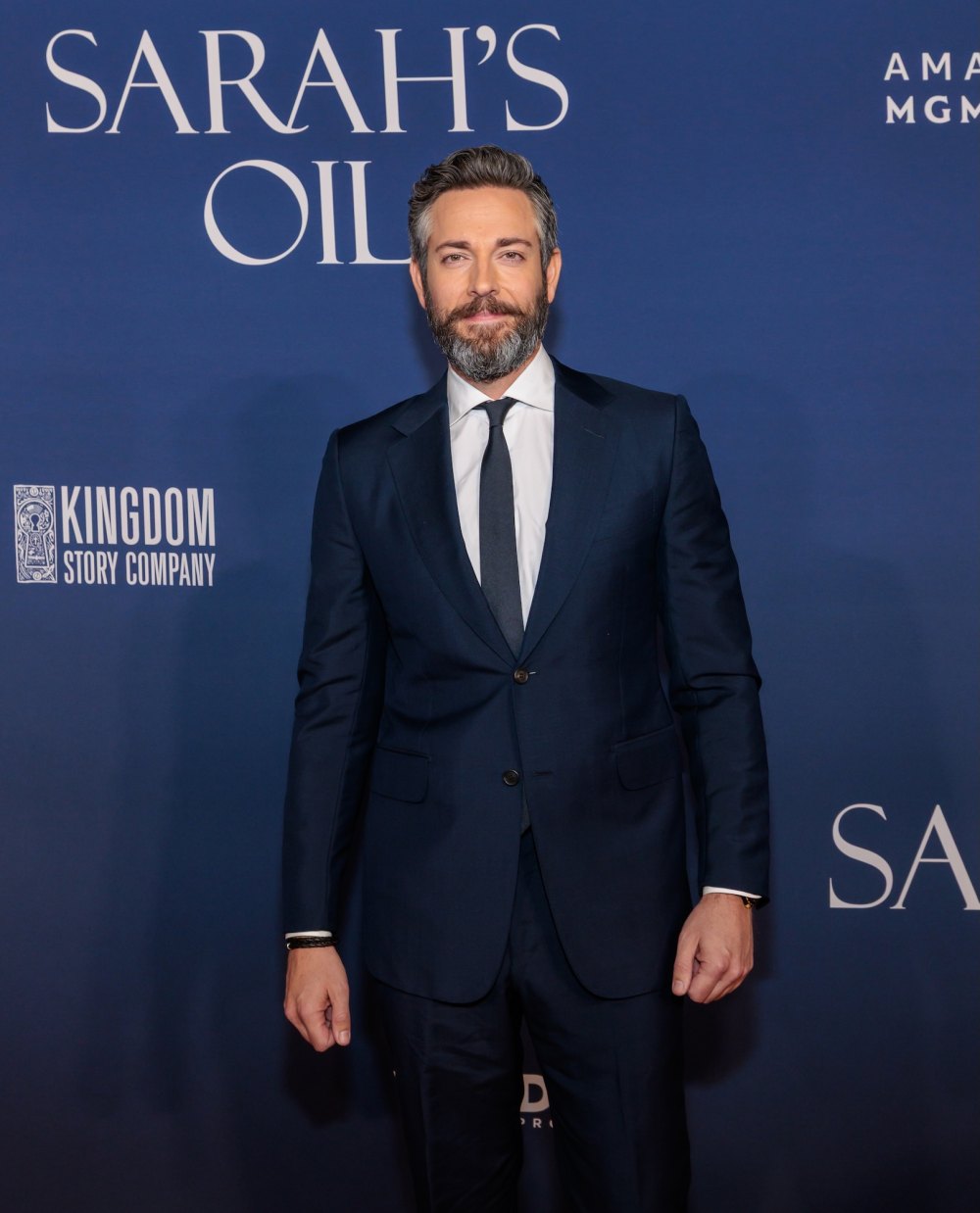
The glitz and glamour of the White House Correspondents’ Dinner (WHCD) came to a terrifying halt when gunfire erupted at the Washington Hilton. Among the hundreds in attendance was actor Zachary Levi, best known for his roles in Shazam! and Chuck, who found himself thrust into a moment of raw panic and survival. Unlike scripted scenes on a soundstage, this moment had no director, no safety rehearsals—only instinct and immediate action. Levi’s firsthand account offers a rare, visceral glimpse into what unfolded inside the ballroom when shots were fired.
The Night the Glamour Turned to Fear
The WHCD is typically a high-profile convergence of political figures, journalists, and celebrities—an evening marked by sharp wit, designer gowns, and red carpet banter. But on this night, the atmosphere shifted in seconds. As dinner concluded and guests mingled, a sudden, sharp noise cut through the hum of conversation: gunshots.
Zachary Levi, seated near the ballroom’s center, described an instantaneous transformation of the space. “One second, everyone’s laughing, clinking glasses, and the next—silence. Then screams,” he recalled in a follow-up interview. “People dropped to the floor. Tables overturned. It was pure confusion.”
The ballroom, normally a symbol of elite access and polished decorum, became a scene of survival. Waitstaff scrambled for exits, journalists shielded colleagues with their bodies, and celebrities—unaccustomed to real danger—reacted on pure reflex. Levi, drawing on a lifetime of stunt coordination and physical performance, took a leadership role in the chaos.
Levi’s Response: Calm Amidst the Panic
While some froze or ran in disarray, Levi quickly assessed the situation. “I’ve done enough fight choreography to know that panic spreads faster than fire,” he said. “The second you see one person lose control, two more follow.”
His first move was to shield a nearby guest caught in an exposed aisle. “There was a woman in heels—couldn’t move fast. I grabbed her and pulled her behind a pillar. Then I started guiding others into corners, under tables, away from windows.”
Levi’s actions weren’t heroic in the cinematic sense—no slow-motion dashes or dramatic speeches. Instead, they were grounded, practical, and deliberate. “I kept saying, ‘Get low, stay quiet, don’t run unless you know where the exit is.’ I’ve seen enough disaster movies to know that people make things worse by sprinting blindly.”
Security personnel initially struggled to locate the shooter, creating a vacuum of information. In those critical minutes, Levi and others stepped into the breach—not as actors or influencers, but as human beings trying to prevent further harm.
Eyewitness Account from Inside the Ballroom
Levi’s recollection paints a picture of escalating tension:
- First shots: Distant but unmistakable. Guests mistook them for champagne corks or camera flashes.
- Realization: A journalist near Levi reportedly said, “That’s not fireworks,” just before diving under a table.
- Mass reaction: Within 15 seconds, over half the room was on the floor or moving toward exits.
- Communication blackout: Phones failed due to network overload. Announcements were muffled or nonexistent.
- Duration: The active threat lasted approximately six minutes, though Levi said it “felt like an hour.”
He emphasized how disorienting it was to lose all sense of protocol. “You watch TV and think, ‘I’d know what to do.’ But when it happens? Your brain stutters. You’re not thinking—you’re reacting.”
He also noted the eerie silence that followed the final shot. “No one moved. No one dared breathe too loud. It was like the whole room was holding its breath, waiting to see if it would start again.”
Celebrity Presence and Public Reaction
The presence of high-profile figures like Zachary Levi, Constance Wu, and several network anchors amplified the incident’s reach. Within hours, social media lit up with fragmented videos—some shaky, others cut off mid-scream—captured by attendees before phones were silenced or dropped.
Levi’s public recounting stood out for its lack of embellishment. He didn’t claim to have subdued the shooter or saved dozens. Instead, he focused on the collective fear and the breakdown of order. “We like to believe these events are safe because they’re exclusive,” he said. “But bullets don’t care about your invitation.”
His honesty resonated. Within 24 hours, his interview clips were shared across news platforms, not for drama, but for credibility. “He sounded like someone who’d actually been there,” one viewer commented, contrasting his tone with performative reactions from others.
Security Failures Exposed
The shooting reignited debate over event security at high-profile political gatherings. Despite the WHCD’s long history, security protocols appeared ill-prepared for an active shooter scenario inside the ballroom.
Key concerns included: - Delayed lockdown procedures - Inadequate communication between security teams - Overreliance on visible uniformed presence instead of threat detection - Guest access to restricted zones due to media and celebrity influx
Levi confirmed that multiple doors remained unlocked or propped open during the event, citing “flow” and “access for camera crews.” “I saw people—staff, maybe guests—coming in from service corridors all night,” he said. “If a shooter wanted access, it wasn’t hard to find a weak point.”
Experts agree. “High-visibility events often prioritize optics over safety,” said a former DHS security consultant. “Red carpets, open bars, media zones—they all create vulnerabilities that are easy to exploit.”
The Psychological Aftermath
For Levi, the physical danger passed quickly. The emotional toll did not. In subsequent interviews, he admitted to sleepless nights and hypervigilance in crowded spaces. “I’ll be at a restaurant and suddenly map every exit. I hear a loud noise and my body tenses. That doesn’t go away.”
He’s not alone. Several attendees reported symptoms consistent with acute stress reaction. Some sought professional counseling; others withdrew from public appearances.
Levi used his platform to advocate for mental health support for event staff and attendees. “We don’t talk about it, but trauma doesn’t care if you’re famous or invisible. It hits everyone.”
He also pushed for standardized crisis response training at large galas. “We train actors for stunts. Why not train guests and staff for emergencies?”
Real-World Implications for Event Safety
The WHCD incident serves as a case study in how quickly controlled environments can unravel. Levi’s account underscores several actionable takeaways:
- Emergency drills should be mandatory, even for one-night events.
- Communication systems must be redundant, with backup channels for staff.
- Access points need real-time monitoring, not just symbolic locks.
- Guests should be briefed, however briefly, on emergency procedures.
Venues like the Washington Hilton have since announced updated protocols, including bag checks, metal detectors, and coordination with local law enforcement. But critics argue these are reactive, not preventative.
“Security can’t be a photo op,” Levi warned. “It has to be invisible until it’s needed—and then flawless.”
A Moment That Changed More Than One Life
Zachary Levi didn’t go to the WHCD to make a statement. He attended as a guest, an actor enjoying a rare night off. But when crisis struck, he became something else: a witness, a helper, a voice for the shaken.
His retelling isn’t about heroism. It’s about humanity—how people scatter, freeze, or rise when the world tilts off its axis. “I didn’t do anything special,” he insisted. “I just tried not to make it worse.”
Yet that’s exactly what matters. In moments of chaos, the difference between survival and tragedy often lies in who stays calm, who acts, and who remembers what to do when the script disappears.
For event planners, security teams, and public figures, Levi’s experience is a wake-up call. Glamour doesn’t guarantee safety. Fame doesn’t stop bullets. And in the end, the most powerful tool in a crisis might not be a badge or a weapon—but a voice saying, “Stay down. Stay quiet. We’ll get through this.”
Frequently Asked Questions
What was Zachary Levi doing at the WHCD? Levi attended as a guest, invited through media and entertainment industry connections. He was not speaking or performing at the event.
Did Zachary Levi see the shooter? No. Levi stated he never saw the individual who fired the shots. His account is based on sound, crowd reaction, and post-event reports.
Were there fatalities during the shooting? Official reports confirmed injuries but no fatalities. The shooter was apprehended at the scene.
How did security respond during the incident? Initial response was delayed. Security teams took several minutes to isolate the threat, during which guests relied on self-evacuation and peer assistance.
Has Zachary Levi spoken publicly since the event? Yes. He gave interviews to major news outlets and used social media to advocate for mental health support and improved event safety.
Was the WHCD canceled after the shooting? The event was suspended mid-dinner. No official cancellation was announced, but subsequent programming was scrapped.
Are there plans to change WHCD security protocols? Organizers have confirmed a full review and implementation of enhanced security measures, including metal detectors and restricted access zones.
FAQ
What should you look for in Zachary Levi Recalls Chaos During WHCD Shooting? Focus on relevance, practical value, and how well the solution matches real user intent.
Is Zachary Levi Recalls Chaos During WHCD Shooting suitable for beginners? That depends on the workflow, but a clear step-by-step approach usually makes it easier to start.
How do you compare options around Zachary Levi Recalls Chaos During WHCD Shooting? Compare features, trust signals, limitations, pricing, and ease of implementation.
What mistakes should you avoid? Avoid generic choices, weak validation, and decisions based only on marketing claims.
What is the next best step? Shortlist the most relevant options, validate them quickly, and refine from real-world results.