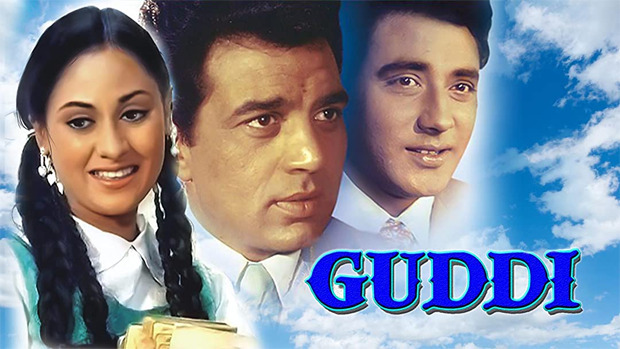
The casting of Guddi remains one of the most quietly pivotal moments in Bollywood history. The film, a delicate coming-of-age story wrapped in humor and heart, could have looked entirely different had the initial plans not shifted. The central mystery—guess which actor was first signed up to play Guddi—points not to an actor, but to a decision that nearly rewrote the trajectory of a national icon. The truth? No male actor was ever in contention for the role of Guddi. The real story lies in which actress was originally approached—long before Jaya Bachchan became synonymous with the character.
This isn’t just trivia. It’s a lesson in how casting choices can redefine careers and cultural touchstones. The original choice for Guddi wasn’t a forgotten name or a minor starlet—it was someone already towering over the industry.
The Mistaken Assumption: Guessing the “Actor” in Guddi
When audiences hear “guess which actor was first signed up to play Guddi,” many instinctively assume a male performer was considered for the titular role. That confusion is understandable but misplaced. Guddi is an 18-year-old girl, a dreamy-eyed fan of Dharmendra, whose journey from obsession to self-awareness forms the soul of the film. The role demanded innocence, vulnerability, and a spark of humor—traits not associated with male stars of that era in such narratives.
The real intrigue isn't about a man playing a woman. It’s about who among women was first approached—and why she turned it down.
The First Choice: Mumtaz, the Rising Star
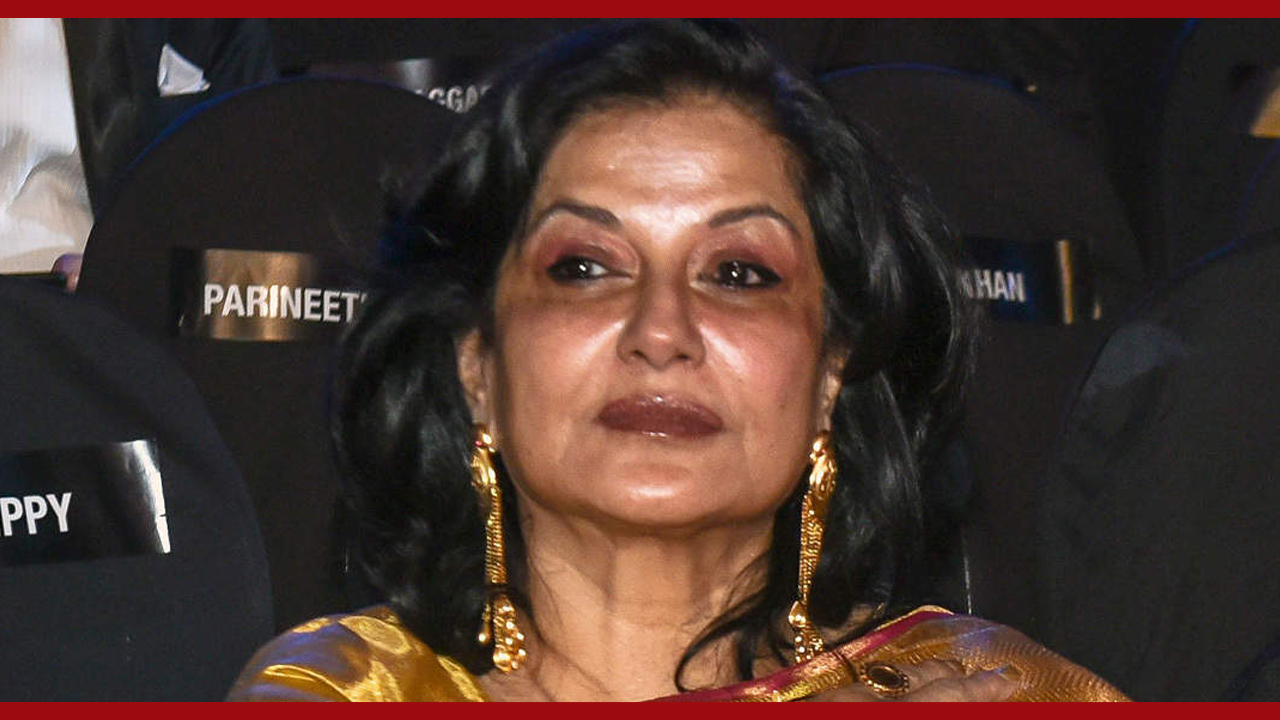
Before Jaya Bachchan became a household name, the name on director Hrishikesh Mukherjee’s casting sheet was Mumtaz. By the early 1970s, Mumtaz was riding high—her performances in Khilona, Sachaa Jhutha, and Khushboo had cemented her as one of the most bankable actresses in India. She was glamorous, expressive, and had a growing reputation for portraying strong, emotionally layered characters.
Mukherjee saw her potential to carry the emotional weight of Guddi. Her fan-following mirrored the character’s own celebrity obsession, making the casting feel like a clever meta-commentary.
But Mumtaz declined.
Why? The timing didn’t align. She was already locked into multiple film commitments, including high-profile projects with Rajesh Khanna and Rishi Kapoor. The Guddi schedule clashed, and more importantly, the role didn’t fit the image she was cultivating—a glamorous leading lady, not an awkward, bespectacled small-town girl.
This rejection opened the door for one of Hindi cinema’s quiet revolutions.
Enter Jaya Bachchan: From Unknown to National Darling
At the time, Jaya Bhaduri—later Bachchan—was a National School of Drama graduate with no film experience. She had worked as a child artist, but her big break came through Mukherjee, who admired her raw expressiveness and understated charm.
When Mumtaz backed out, the director turned to Jaya. There were risks. She wasn’t a star. She didn’t have a fan base. But Mukherjee trusted her performance instincts.
Her portrayal of Guddi was revelatory. The nervous tics, the wide-eyed wonder, the transition from fantasy to grounded maturity—it felt real because it was real. Jaya didn’t act like a star playing a fan. She became the fan.
The film’s success wasn’t just commercial—it was cultural. Audiences saw themselves in Guddi. And overnight, Jaya Bachchan transformed from a theatre-trained unknown into a national favorite.
This pivot—from Mumtaz to Jaya—wasn’t just a casting change. It was a recalibration of what a Hindi film heroine could be.
Why the Original Choice Matters
The idea that Mumtaz was first signed up for Guddi isn’t just a footnote—it reveals how fragile film history can be. Had she accepted, the trajectory of two careers might have shifted:
- Mumtaz might have added depth to her filmography, but at the cost of her established marketability.
- Jaya Bachchan might have remained on the fringes, waiting years for another such role.
Moreover, the film itself might have lost its authenticity. Mumtaz brought glamour; Jaya brought vulnerability. Guddi wasn’t meant to be polished. She was meant to be awkward, relatable, and evolving.
This wasn’t just about talent—it was about fit.
Consider other casting “what-ifs”: - Aishwarya Rai was initially approached for Devdas, but opted out—Shah Rukh Khan insisted on Madhuri Dixit. - Kareena Kapoor was considered for Kaho Naa... Pyaar Hai, but Preity Zinta took it.
But Guddi stands apart. The shift from Mumtaz to Jaya wasn’t just a substitution—it was an artistic upgrade, one that aligned perfectly with Mukherjee’s vision of realism.
Behind the Scenes: How Casting Shapes a Film’s Soul
Casting isn’t just about filling roles. It’s about alchemy—the moment an actor’s essence merges with a character’s spirit.
In Guddi, the role required: - A lack of artifice - Physical transformation (glasses, modest clothing) - Emotional transparency - Comic timing paired with dramatic restraint
Mumtaz, for all her talent, was known for her beauty and screen presence—qualities that might have overshadowed the character’s ordinariness.
Jaya, by contrast, had no persona to uphold. She was a blank slate. And that’s exactly what the role needed.
Director Mukherjee, known for his subtle storytelling and preference for naturalistic performances, made a quiet but radical choice. He didn’t go for the star. He went for the truth.
This decision echoed through his other works—Anand, Abhimaan, Gol Maal—films where performance trumped stardom.
The Ripple Effects of a Single “No”
Mumtaz’s decision not to play Guddi had long-term consequences—both for her and for Jaya.
For Mumtaz: - She continued her streak of glamorous roles but never quite broke into the "realistic drama" space Mukherjee offered. - Her career slowed in the late 70s, as the industry shifted toward stronger, more dramatic female roles.
For Jaya: - Guddi launched her into stardom. - It led to Zanjeer, Abhimaan, and Parichay—films that defined 1970s Hindi cinema. - She won the National Film Award for Best Actress for Kora Kagaz the same year—making 1974 her breakout year.
But beyond careers, the casting shaped audience expectations. Guddi became a template for the "girl next door" archetype—later echoed in characters played by Kajol, Rani Mukerji, and Vidya Balan.
It also changed how directors approached young female leads. Suddenly, innocence wasn’t a weakness—it was a narrative strength.
Could the Film Have Worked with Mumtaz?
Hypothetically, yes. But differently.
Imagine Guddi with Mumtaz: - The character might have been more polished, less awkward. - Her crush on Dharmendra might have felt more like flirtation than fantasy. - The transformation from star-struck to self-aware could have felt less earned.
Dharmendra’s real-life presence in the film—playing himself—added another layer. Jaya’s nervousness around him on screen wasn’t entirely acted. She was nervous. That authenticity couldn’t be replicated by a seasoned co-star.
Mumtaz had worked with Dharmendra before. Their chemistry would have been professional, perhaps even warm—but not electric with uncertainty.
The magic of Guddi lies in its lack of polish. It’s in the way Jaya fidgets, stumbles over her words, and glows when she thinks of her idol. That wasn’t acting. It was being.
A Casting Decision That Changed Bollywood
The story of who was first signed to play Guddi isn't about a missed opportunity—it’s about timing, authenticity, and directorial courage.
Hrishikesh Mukherjee didn’t chase stars. He chased truth. And when the first choice said no, he didn’t settle. He found someone better suited—someone the audience hadn’t seen yet.
That decision didn’t just make Guddi a classic. It helped redefine the Hindi film heroine—not as a glamour icon, but as a real woman with dreams, flaws, and growth.
Today, when we watch Jaya Bachchan in Guddi, we’re not just seeing a performance. We’re witnessing a turning point—one born from a single “no” and a director’s unwavering vision.
Final Word: Look Beyond the Name
When you hear “guess which actor was first signed up to play Guddi,” don’t rush to name a forgotten performer. The real answer isn’t hidden—it’s misunderstood.
It was Mumtaz. She said no. And Jaya Bachchan said yes.
That’s not just trivia. That’s the moment Bollywood found a new kind of heroine.
If you’re casting a film, building a brand, or shaping a career: remember Guddi. Sometimes, the first name on the list isn’t the right one. The right one is the one who fits—not the one who fills.
FAQ
Who was originally offered the role of Guddi? Mumtaz was the first actress approached to play Guddi, but she declined due to scheduling conflicts.
Why did Mumtaz refuse the role of Guddi? She was already committed to other film projects and felt the role didn’t align with her image as a glamorous leading lady.
How did Jaya Bachchan get the role of Guddi? After Mumtaz turned it down, director Hrishikesh Mukherjee cast Jaya Bachchan, a theatre graduate with minimal film experience, based on her natural acting ability.
Was Guddi Jaya Bachchan’s first film? No, she had appeared as a child artist earlier, but Guddi was her first major leading role and breakthrough performance.
Did Mumtaz regret refusing the role of Guddi? There’s no public record of Mumtaz expressing regret, though the role became iconic and helped launch Jaya Bachchan’s stardom.
How did the casting of Guddi impact Bollywood? It marked a shift toward realistic, relatable female leads, moving away from purely glamorous portrayals.
Is the film Guddi based on a true story? No, but it reflects real fan culture of the 1970s and the growing self-awareness among young Indian women.
FAQ
What should you look for in Who Was First Cast to Play Guddi in the Iconic Film?? Focus on relevance, practical value, and how well the solution matches real user intent.
Is Who Was First Cast to Play Guddi in the Iconic Film? suitable for beginners? That depends on the workflow, but a clear step-by-step approach usually makes it easier to start.
How do you compare options around Who Was First Cast to Play Guddi in the Iconic Film?? Compare features, trust signals, limitations, pricing, and ease of implementation.
What mistakes should you avoid? Avoid generic choices, weak validation, and decisions based only on marketing claims.
What is the next best step? Shortlist the most relevant options, validate them quickly, and refine from real-world results.