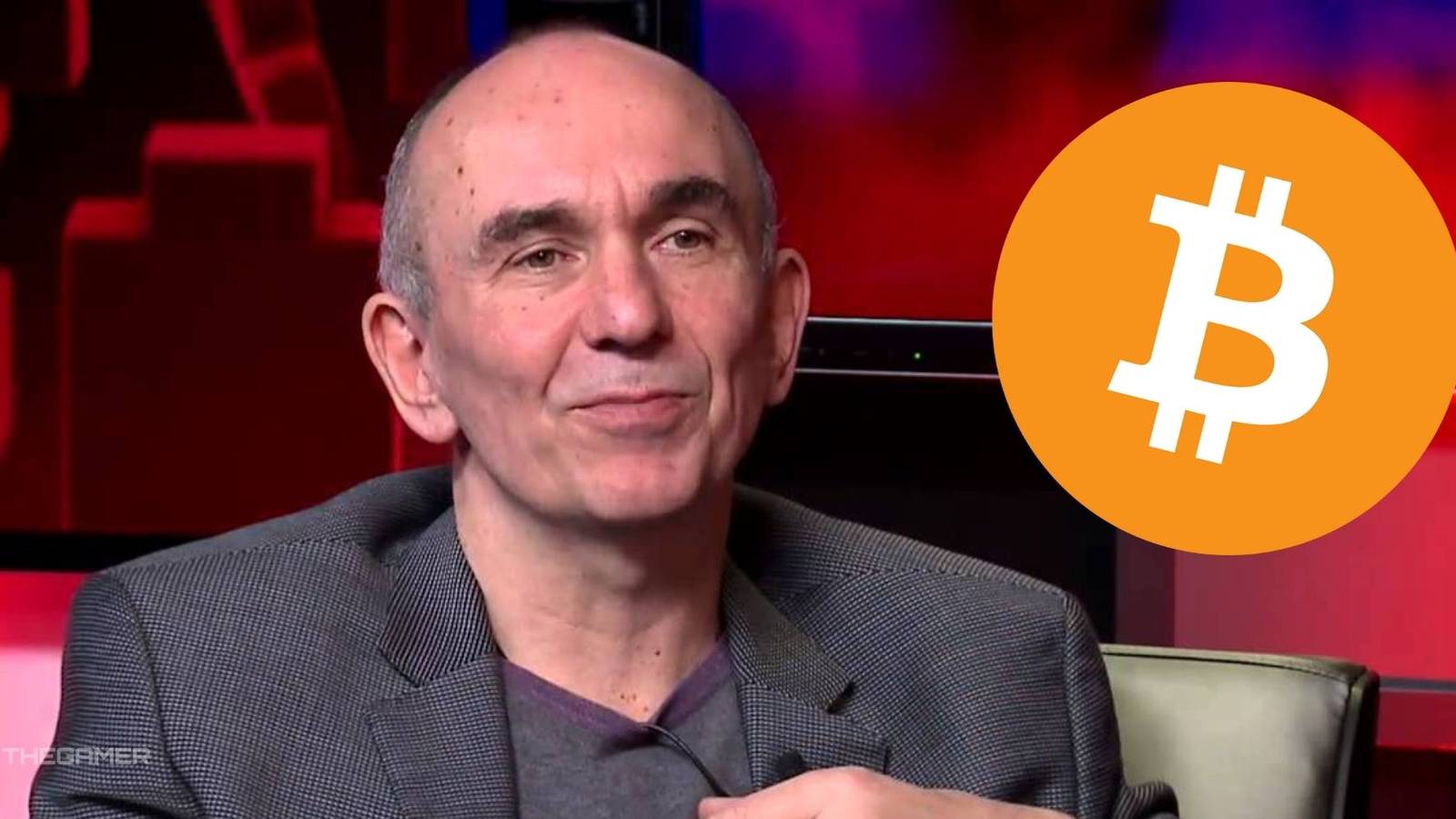
Peter Molyneux is a name that commands reverence in gaming circles. The mind behind Populous, Dungeon Keeper, and Fable was once considered a visionary—a developer who could turn grand ideas into groundbreaking experiences. But behind the accolades and stage charisma lies a darker narrative: a trail of ambitious projects that promised too much and delivered too little. And with those failures came real financial and emotional costs.
When Godus, the spiritual successor to Populous, launched via Kickstarter in 2012, it raised over $876,000 from more than 15,000 backers. The pitch? A god game with infinite terrain, emergent storytelling, and player-driven civilizations. What followed was years of delays, broken promises, and a final product so stripped down it barely resembled the demo. For many, it wasn’t just a disappointment—it was a financial wound.
This is the story of the players who lost big: not on a stock market, but on trust, time, and capital invested in the myth of Molyneux.
The Backers: Passion Turned to Regret
At the heart of Godus’s rise and fall were its backers—individuals who pledged money not for profit, but for belief. Many were longtime fans of Molyneux’s earlier work, seduced by the nostalgia of Populous and the promise of its evolution. They weren’t just funding a game; they were reviving a legacy.
But as months turned into years, communication from 22cans—the studio Molyneux founded—grew erratic. Promised stretch goals like multiplayer and VR support were quietly dropped. The game launched in 2014 not as a finished product, but as an early access experiment with a $20 price tag.
One backer, pledging $100 for a “Founder’s Edition,” later wrote on Reddit: > “I backed it because I believed in Peter. But when I saw the final thing… it felt like a betrayal. It wasn’t even feature-complete. I’d have paid for a better alpha.”
These weren’t investors expecting returns—they were believers. And their losses weren’t just monetary. For many, it was the erosion of faith in crowdfunding itself.
The Developers: Burnout in the Shadow of a Legend
Behind the scenes, the team at 22cans paid their own price. Molyneux’s tendency to over-promise placed immense pressure on developers to deliver the impossible. Former employees have described a culture of constant pivot—shifting scope, rewriting core mechanics, and chasing a vision that kept evolving.
One anonymous developer told Eurogamer: > “We’d spend weeks building a system, only for Peter to demo something completely different at a conference. Then we’d have to scramble to match the PR spin. It was unsustainable.”
Morale reportedly suffered. Team members left due to stress and frustration. The final product reflected that instability: a fractured UX, lack of polish, and missing features that had been demoed years prior.
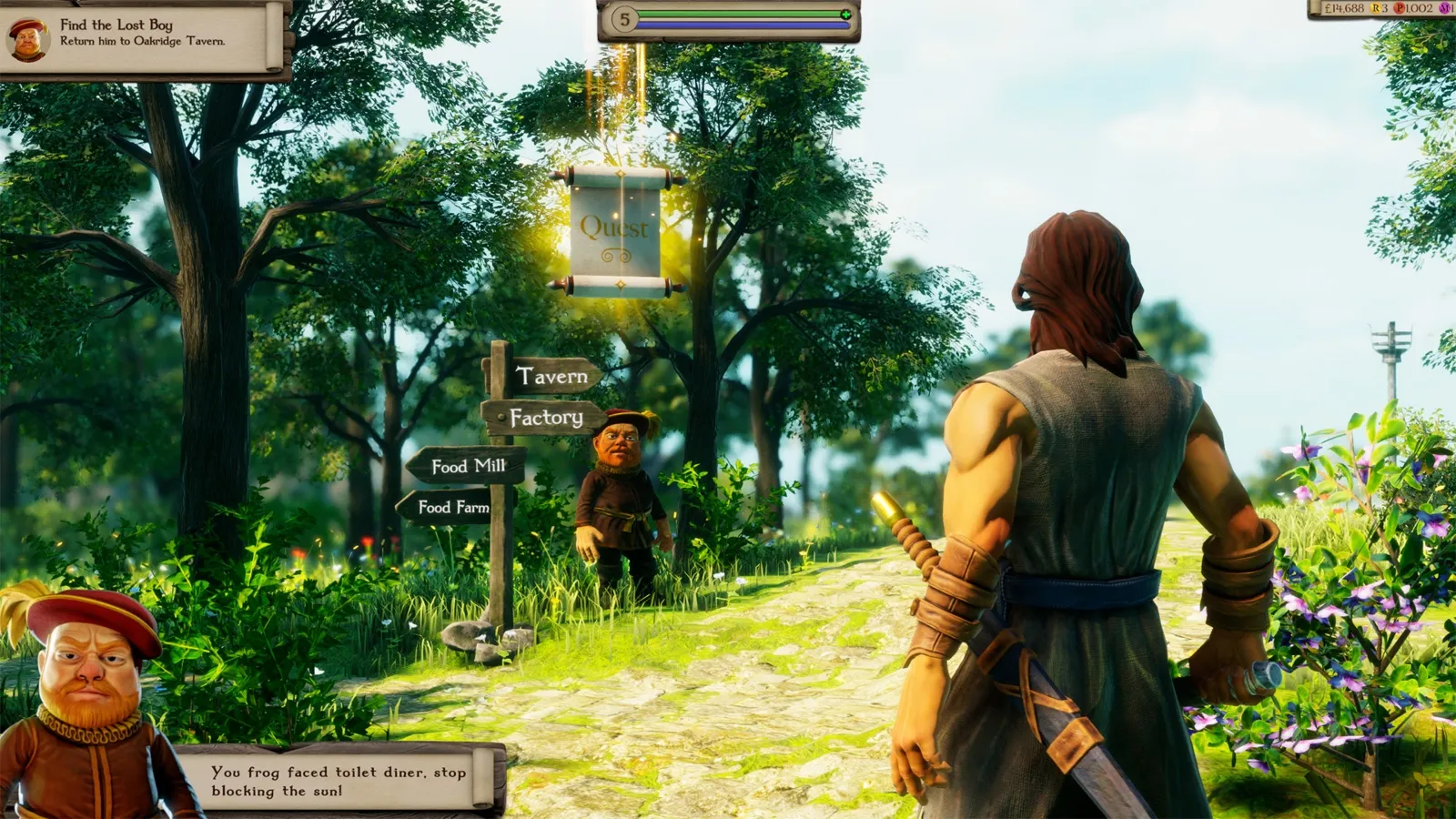
The developers didn’t lose money directly—but they lost time, reputation, and creative energy on a project that failed to meet even its basic promises. For junior developers, being associated with a high-profile failure can linger on a resume for years.
The Publishers: Silent Stakeholders Stung
While 22cans crowdfunded Godus, it also partnered with publisher Devolver Digital for distribution. Though Devolver didn’t fund the development, their brand was tied to the product’s rollout. When Godus underperformed and drew criticism, it reflected poorly on their curation standards.
Devolver, known for supporting bold indie titles like Enter the Gungeon and Fall Guys, doesn’t typically back unfinished, overhyped projects. Godus was an outlier—and a reputational risk. While they didn’t lose significant capital, the episode served as a cautionary tale about associating with charismatic but unreliable figures.
In a subtle jab, Devolver co-founder Nigel Lowrie once said in an interview: > “We learned that early access needs boundaries. Passion is great, but without delivery, it’s just noise.”
The Investors: Where Did the Money Go?
Though Godus was crowdfunded, 22cans also attracted private investment. In 2013, the studio secured a seven-figure investment from an unnamed venture firm to expand beyond Godus. But with the game’s failure, follow-up projects stalled.
One investor, speaking off the record, revealed: > “We believed in Peter’s ability to innovate. But the execution was chaotic. We didn’t get our money back—and we definitely didn’t get a viable product.”
The studio later pivoted to mobile games like The Trail, a simplistic endless runner that felt like a far cry from the god-game ambitions of Godus. While it generated some revenue, it didn’t justify the initial investment or team scale.
This shift signaled a retreat—not expansion. The capital wasn’t misused, but it was misallocated based on overinflated expectations.
The Gamers: Time Is Money For players who bought Godus at launch, the loss was different but no less real. At $20, it was priced like a premium early access title. But the gameplay offered little beyond dragging followers across procedurally generated hills. No dynamic storytelling. No true divinity mechanics. No multiplayer.
One Steam review summed it up: > “This isn’t Populous. It’s Populous’s sketchbook.”
Players didn’t just lose money—they lost time. Hundreds of hours were spent exploring a world that never evolved. Achievements were completed, but without narrative payoff. Communities formed, only to disband when updates slowed to a crawl.
And unlike films or books, games demand interaction. The cost of engagement here was disproportionately high for the return.
Molyneux’s Pattern: A History of Overreach
Godus wasn’t an isolated incident. It was part of a pattern.
/cdn.vox-cdn.com/uploads/chorus_image/image/70269281/112379621.0.jpg)
- Fable (2004): Promised “a world that remembers everything you do.” In reality, consequences were shallow and scripted.
- Fable II: Molyneux claimed your dog could become “the best dog in video game history.” It was, but the rest of the game’s social promises fell short.
- Curiosity: What’s Inside the Cube? A viral mobile experiment that promised a “life-changing” reward for the person who tapped the final layer. The winner received… a brief Skype call with Molyneux.
Each time, the media amplified the hype. Each time, the final product failed to match the vision. And each time, someone—fan, dev, investor—was left holding the bag.
Molyneux himself admitted fault. In a 2015 interview with Rock Paper Shotgun, he said: > “I’ve made a lot of mistakes. I’ve over-promised. I’ve let people down. I’m trying to do better.”
But apologies don’t refund $100 pledges or repair team morale.
What Went Wrong? The Anatomy of a Promise
The core issue wasn’t technical—it was cultural.
Molyneux operated in a feedback loop of hype: pitch big → generate buzz → attract backers → promise more → fail to deliver → apologize → repeat.
Compare this to disciplined studios like Mojang (Minecraft) or FromSoftware (Elden Ring). They under-promise and over-deliver. Their launches are stable, their updates meaningful. They build trust over time.
Molyneux did the opposite. His strength—visionary thinking—became his weakness when untethered from execution.
Additionally, early access models enabled this behavior. By selling an unfinished product, developers can delay accountability. But players and investors assume progress. When it stalls, the disillusionment is profound.
Lessons for the Future: Trust, But Verify
The Godus saga offers hard lessons for anyone involved in creative projects:
- For backers: Research the team’s track record. Past over-promising is a red flag.
- For developers: Push back on unrealistic visions. Scope creep kills morale and products.
- For publishers: Vet not just the idea, but the delivery history.
- For creators: Under-promise. Deliver. Then surprise.
Crowdfunding empowers innovation—but it also enables myth-making. The most dangerous ideas aren’t bad ones. They’re brilliant ones sold too early, before they’re ready.
The Legacy Isn’t Lost—But It’s Complicated
Peter Molyneux’s legacy is no longer just Fable or Populous. It’s also Godus. It’s the 15,000 backers who waited years for a game that never came. It’s the developers who burned out chasing a dream. It’s the investors who saw capital vanish into vaporware.
Yet, Molyneux still inspires. His ideas—generative worlds, emotional AI, player-driven narratives—are still the holy grail of game design. The tragedy isn’t that he dreamed too big. It’s that he couldn’t build what he saw.
The players who lost money on his failed legacy weren’t fooled by malice. They were seduced by possibility. And in the end, that’s the most painful loss of all—the loss of belief in what could have been.
If you're backing a visionary, remember: genius without discipline is just noise. Support the dream, but demand the delivery.
FAQ
What should you look for in The Players Who Lost Big on Peter Molyneux’s Broken Promises? Focus on relevance, practical value, and how well the solution matches real user intent.
Is The Players Who Lost Big on Peter Molyneux’s Broken Promises suitable for beginners? That depends on the workflow, but a clear step-by-step approach usually makes it easier to start.
How do you compare options around The Players Who Lost Big on Peter Molyneux’s Broken Promises? Compare features, trust signals, limitations, pricing, and ease of implementation.
What mistakes should you avoid? Avoid generic choices, weak validation, and decisions based only on marketing claims.
What is the next best step? Shortlist the most relevant options, validate them quickly, and refine from real-world results.