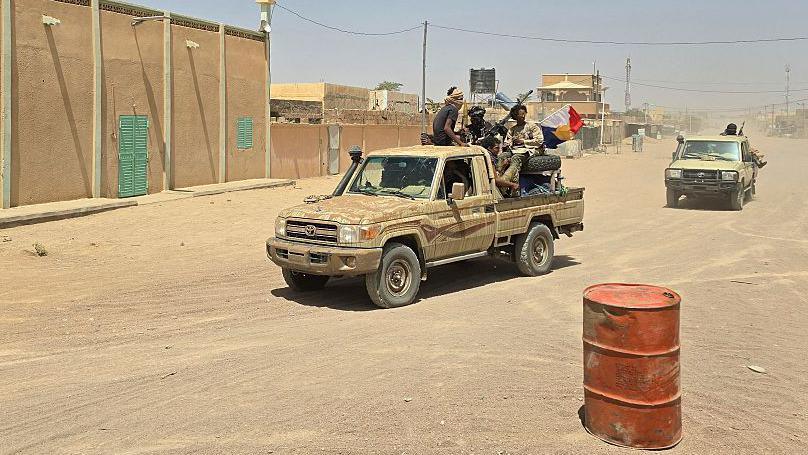
Mali’s volatile northern region has entered a new phase of instability as Russia’s Africa Corps confirms its withdrawal from Kidal, a stronghold long contested by armed groups and foreign forces. The pullout follows a surge in coordinated attacks across the area, undermining the very security Russia claimed to bolster. This retreat is not merely logistical—it signals a recalibration of Moscow’s influence in the Sahel amid rising operational risks and diplomatic friction.
The move raises urgent questions: Was the withdrawal forced? What does it mean for Mali’s fragile security apparatus? And how will local populations, already living on the edge, navigate the shifting balance of power?
Confirmed Pullout After String of Attacks
Russia’s Africa Corps—widely seen as the successor to the Wagner Group in Mali—officially acknowledged its departure from Kidal in a terse operational statement. While the announcement lacked detail, multiple defense sources confirmed the withdrawal occurred within 72 hours of a major insurgent assault on a Malian military base in the region, which left dozens dead.
Kidal, a vast desert city near the borders of Algeria and Niger, has been a flashpoint for years. Its strategic location makes it a crossroads for rebel movements, smuggling routes, and counterterrorism operations. Russian forces established a presence there in early 2023, deploying armored vehicles, surveillance drones, and elite infantry units. Their mandate: support Mali’s junta in combating Islamist insurgents linked to al-Qaeda and ISIS.
But repeated attacks throughout mid-2024 eroded their operational edge. A complex ambush in April disabled a convoy of Russian technicals. Then in June, drones struck a forward operating base, destroying communication arrays. The final blow came in July, when coordinated raids on three checkpoints overwhelmed defenses, killing at least 12 foreign personnel.
“The attacks weren’t random—they were adaptive,” said a Sahel-based security analyst who requested anonymity. “The militants studied Russian tactics, exploited supply line gaps, and hit them where it hurt. Kidal became unsustainable.”
Why Kidal Matters in the Mali Conflict
Kidal is more than a military outpost—it’s a symbol. Historically a Tuareg stronghold, the city has resisted central Malian authority for decades. The 2012 Tuareg rebellion, the 2015 Algiers Accords, and repeated peace process failures all orbit around Kidal’s contested sovereignty.
When Russian forces arrived, they presented themselves as neutral enforcers—distinct from former French troops accused of neocolonialism. But their alignment with Mali’s military junta, particularly Defense Minister Sadio Camara, quickly tied them to the state’s heavy-handed tactics. Civilian casualties, arbitrary detentions, and scorched-earth patrols fueled resentment.
Meanwhile, armed coalitions like the Permanent Strategic Framework (CSP) and Jama’at Nusrat al-Islam wal-Muslimin (JNIM) used this discontent to regroup. They framed Russian presence as foreign occupation, gaining traction among displaced communities.
The withdrawal removes a key pivot point. Without Russian air support and intelligence, Malian units in Kidal are now exposed. Early reports suggest insurgents have already advanced within 30 kilometers of the city center.
Security Vacuum and Regional Fallout
The most immediate risk is a security vacuum. Russian forces didn’t just conduct raids—they provided surveillance, drone strikes, and rapid response. Local troops, despite training, lack the equipment and coordination to maintain that level of readiness.

In the short term, Mali’s military may attempt to reinforce Kidal with additional battalions from Gao or Timbuktu. But these units are stretched thin. Over the past 12 months, attacks in central Mali have increased by 65%, according to the UN Multidimensional Integrated Stabilization Mission (MINUSMA).
Regional allies are watching closely. Niger, now under military rule and estranged from Western powers, has signaled reluctance to intervene. Algeria, traditionally cautious, has increased border patrols but ruled out cross-border engagements. Burkina Faso, though aligned with Mali’s junta, faces its own insurgency crisis.
“There’s no ready-made replacement for Russian capabilities,” said Dr. Aminata Diallo, a researcher at the Institute for Security Studies in Dakar. “Mali is entering a high-risk phase where tactical victories could easily unravel into broader collapse.”
Worse, the withdrawal may embolden jihadist networks. JNIM has already issued statements claiming “the invaders have fled,” using the retreat as a recruitment tool. Social media channels show newly captured Russian gear—body armor, night-vision goggles, even a damaged Orlan-10 drone—paraded as trophies.
Moscow’s Strategic Retreat, Not Defeat
Despite appearances, Russia’s move may be more calculated than desperate. Senior defense officials in Moscow have hinted at a “redeployment strategy” focused on consolidation rather than broad presence.
Evidence suggests Russian forces are shifting southward, toward key infrastructure in Sévaré and Mopti. These locations offer better logistics, airfield access, and proximity to uranium-rich zones in neighboring Niger. It’s a pivot from rural counterinsurgency to strategic asset protection.
Moreover, Moscow maintains influence through training programs and intelligence sharing. Even without boots on the ground in Kidal, Russian advisors remain embedded within Mali’s command structure. Satellite imagery shows continued activity at the Doussé saltpeter base, south of Gao—widely believed to be a logistics and drone operations hub.
“This isn’t a surrender,” said a European intelligence officer familiar with Sahel operations. “It’s a downgrade. They’re cutting losses in an unwinnable terrain and focusing on what’s defensible.”
Still, the optics are damaging. After positioning itself as a reliable alternative to Western forces, Russia now faces questions about its staying power. African governments, particularly those balancing relations with both Moscow and Western donors, may hesitate to deepen military partnerships.
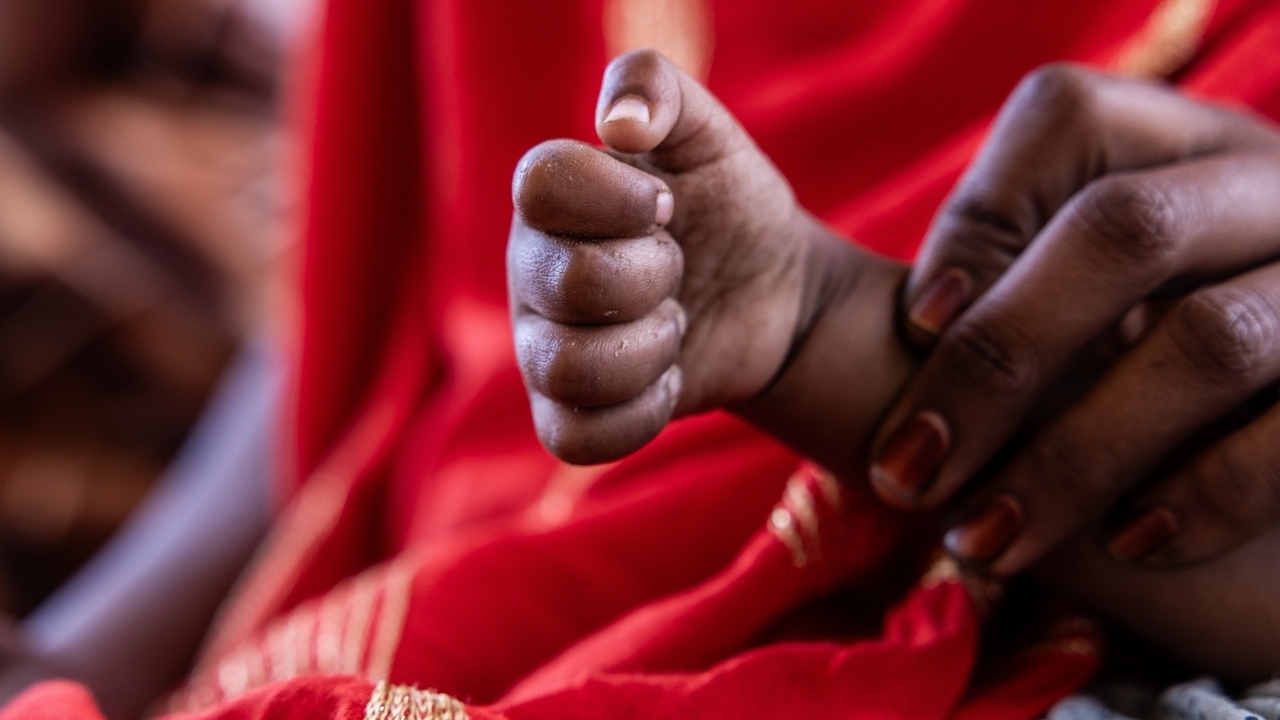
Local Civilian Impact and Humanitarian Risk For civilians in Kidal, the withdrawal brings neither relief nor safety. Over 70% of the region’s population has been displaced since 2023, according to Médecins Sans Frontières. Humanitarian access remains limited, with aid convoys frequently targeted.
During Russia’s tenure, residents reported food shortages, communication blackouts, and increased military checkpoints. But some admitted a temporary decline in roadside IED attacks. Now, with militants regaining mobility, the threat is rising again.
“We had no choice but to stay,” said a Kidal shopkeeper reached via satellite phone. “First the Malian army, then the Russians, now the jihadists. Each wave brings new fear. No one asks what we want.”
There are also risks of reprisal violence. As armed groups reassert control, collaborators—real or suspected—are being targeted. Local leaders fear a return to the 2013-era purges, when entire villages were punished for perceived allegiance to rival factions.
NGOs warn of a worsening crisis. “With no stable authority and no peacekeepers, the humanitarian situation will deteriorate rapidly,” said a CARE International field coordinator. “We’re preparing for mass displacement into Algeria, but borders may close without warning.”
What Comes Next for Mali’s Security Strategy?
Mali’s military government now faces a critical juncture. It can’t rely on Russian forces to hold every front. Nor can it expect immediate support from regional bodies like ECOWAS, which remains skeptical of the junta’s governance.
A realistic path forward requires three steps:
- Local Defense Integration
- Empower community-based defense units with vetted weapons and communication tools. The Tuareg-led Imghad Tuareg Self-Defense Group (GATIA) has shown effectiveness when properly resourced.
- Intelligence-Led Operations
- Replace brute-force raids with precision targeting. This means investing in HUMINT networks, not just drones. French and UN missions proved this model works—albeit slowly.
- Diplomatic Re-engagement
- Despite anti-Western rhetoric, Mali needs international aid. Restarting dialogue with the EU and African Union could unlock funding for stabilization—on Mali’s terms.
None of this is easy. But clinging to foreign military crutches, especially unreliable ones, only delays the inevitable: long-term security must be homegrown.
The Bigger Picture: Shifting Alliances in the Sahel
Russia’s retreat from Kidal is part of a broader trend. Across the Sahel, foreign military footprints are shrinking. France ended Operation Barkhane in 2022. The U.S. reduced drone strikes. MINUSMA will fully withdraw by 2025.
In their place, local militaries—often backed by new allies—are stepping in. Mali turned to Russia. Niger is deepening ties with Iran. Burkina Faso is exploring partnerships with Turkey and China.
But military solutions alone won’t end the violence. Decades of marginalization, climate stress, and governance failures fuel the insurgency. Kidal’s instability is a symptom, not the disease.
As one UN official put it: “You can’t drone your way out of a political crisis.”
Russia’s Africa Corps may be gone from Kidal, but the conflict remains. The withdrawal highlights a hard truth: no external force can impose lasting security in a region where trust, governance, and opportunity have eroded. Mali’s leaders must now decide whether to double down on militarization or pursue the harder, slower path of reconciliation and reform.
For now, the attacks continue. And without a clear strategy, the cycle will too.
Frequently Asked Questions
Why did Russia’s Africa Corps withdraw from Kidal? The withdrawal followed sustained militant attacks, logistical challenges, and deteriorating security conditions. Russian forces struggled to maintain control amid adaptive insurgent tactics and supply chain issues.
Who is attacking Russian and Malian forces in Mali? Primary groups include Jama’at Nusrat al-Islam wal-Muslimin (JNIM), linked to al-Qaeda, and Islamic State in the Greater Sahara (ISGS). Both exploit regional instability and local grievances.
Is the Wagner Group still active in Mali? While the Wagner Group officially dissolved, its personnel and operations continue under new designations like “Africa Corps.” The structure and leadership remain largely unchanged.
How will the withdrawal affect civilians in northern Mali? Civilians face heightened risks, including renewed fighting, displacement, and restricted humanitarian access. The security vacuum may lead to increased violence and reprisal attacks.
Are other countries stepping in to fill the gap? Not immediately. Algeria and Niger are reinforcing their borders, but no foreign force has committed to replacing Russian presence in Kidal. Mali must rely on its own military for now.
Could Russia return to Kidal in the future? Possible, but unlikely in the short term. Russia may prioritize more defensible or resource-rich areas unless there’s a strategic shift or request from Mali’s government.
What does this mean for Western influence in the Sahel? The retreat creates an opening, but Western nations remain cautious. Any re-engagement would require political reforms in Mali and a focus on long-term development, not just counterterrorism.
FAQ
What should you look for in Mali Attacks: Russia’s Africa Corps Leaves Kidal Amid Escalation? Focus on relevance, practical value, and how well the solution matches real user intent.
Is Mali Attacks: Russia’s Africa Corps Leaves Kidal Amid Escalation suitable for beginners? That depends on the workflow, but a clear step-by-step approach usually makes it easier to start.
How do you compare options around Mali Attacks: Russia’s Africa Corps Leaves Kidal Amid Escalation? Compare features, trust signals, limitations, pricing, and ease of implementation.
What mistakes should you avoid? Avoid generic choices, weak validation, and decisions based only on marketing claims.
What is the next best step? Shortlist the most relevant options, validate them quickly, and refine from real-world results.